

Blog
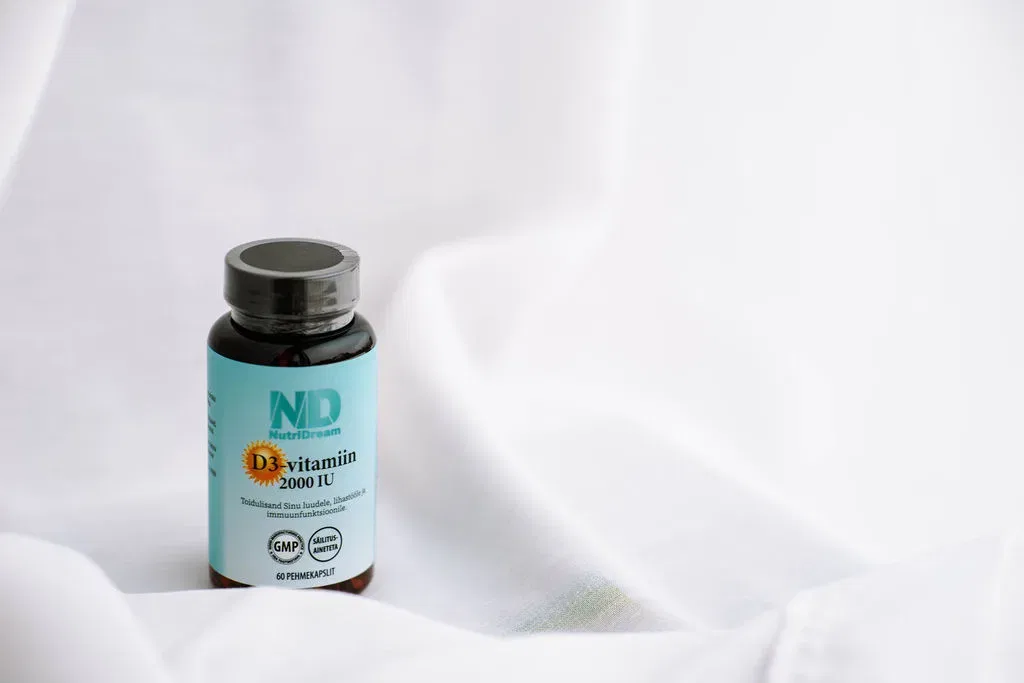
Vitamin D Deficiency: Symptoms and Warning Signs You Shouldn’t Ignore
Vitamin D deficiency causes fatigue, bone pain, and weakened immunity. Learn to recognize the warning signs and find out how to maintain optimal health levels.

Creatine for Women: A Secret Weapon for Health and Mental Sharpness?
Discover why creatine is a secret weapon for women's health and mental sharpness. It supports muscle strength, memory, and hormonal balance without bloating.
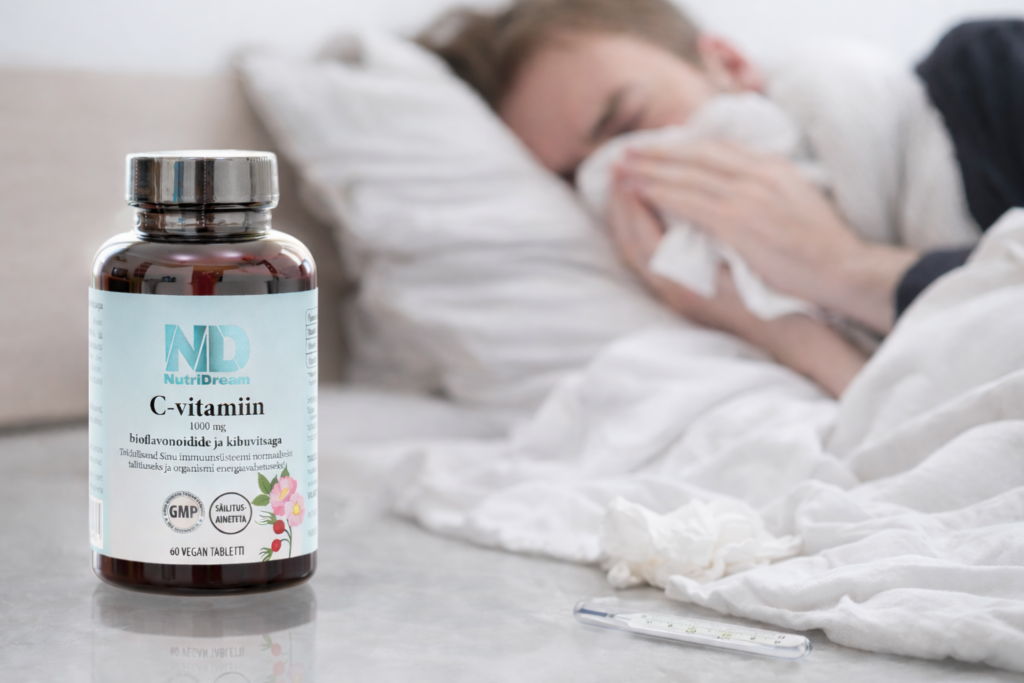
How the body recovers from the flu
The flu, or influenza, is a viral illness that can significantly exhaust the body and leave behind prolonged fatigue and weakness. The ...
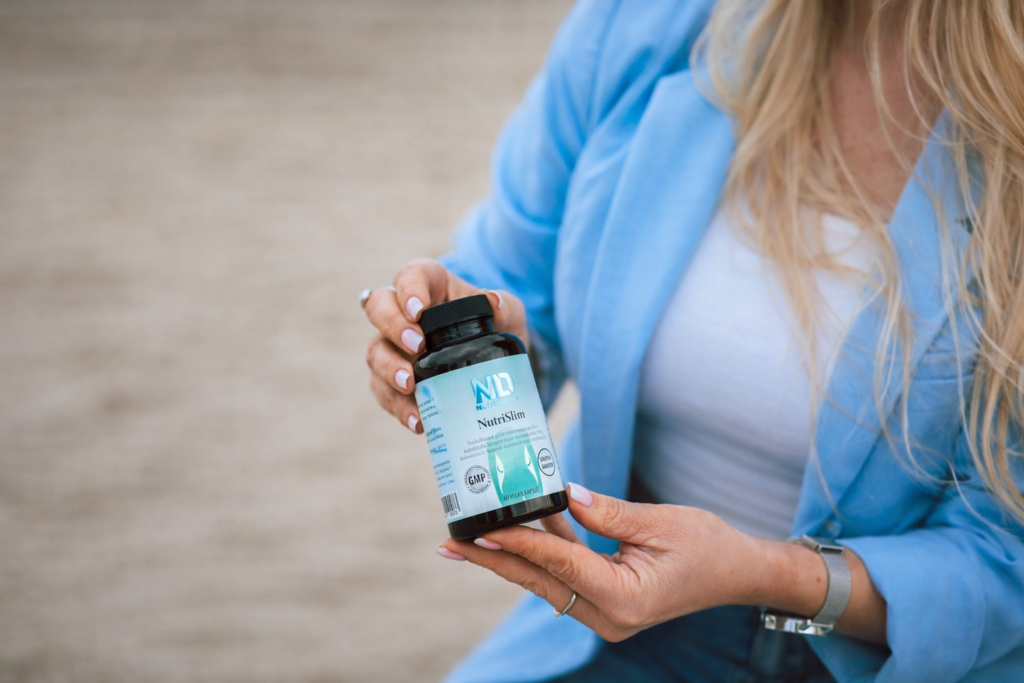
Dietary fiber as an invisible ally how the gut influences body weight
Dietary fiber is not just an aid to digestion but one of the most important links between the human body and the microscopic world livi...
Creatine monohydrate – a small molecule with a big impact. Not just for athletes!
Creatine is one of the most researched supplements in the world, and although it is often associated with gym training and muscle growt...
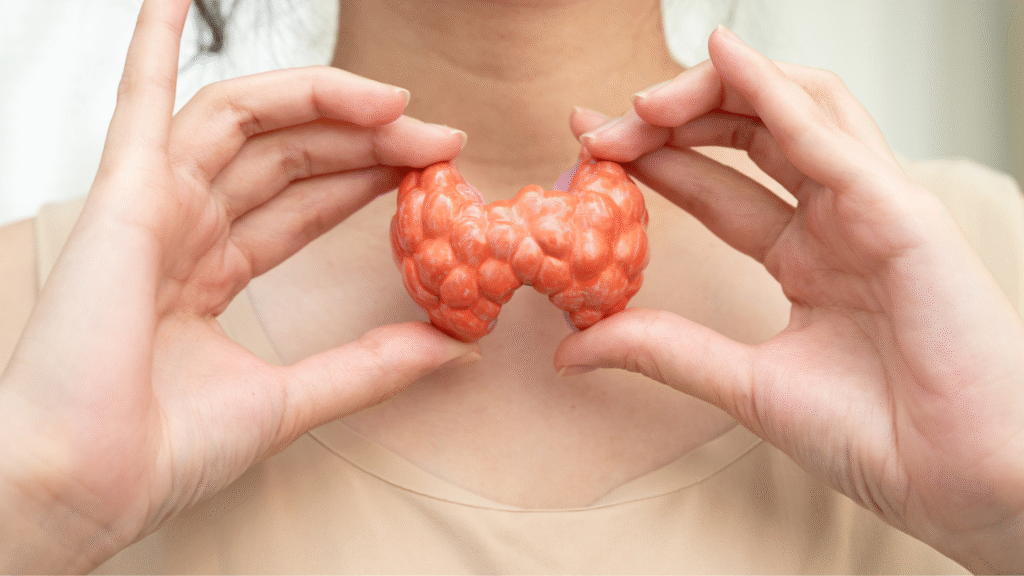
How to support thyroid health with nutrition and supplements
The thyroid gland is small but extremely important — it produces hormones (T3 and T4) that regulate metabolism, energy, and the functio...
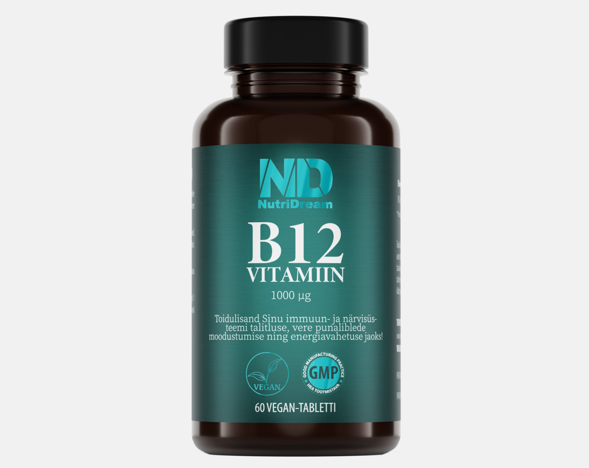
What is vitamin B12?
What is vitamin B12?
Vitamin B12 is a cobalt-containing anti-anemic compound found in various parts of the body in several biologica...
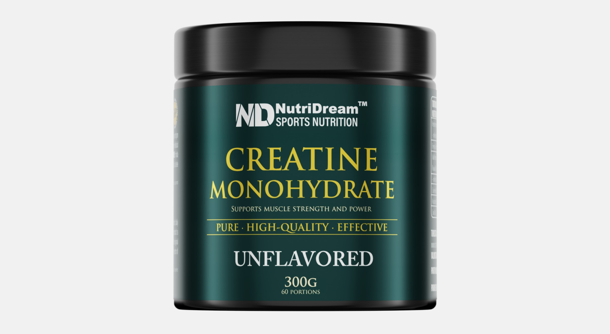
Creatine Monohydrate
What is creatine and from where is it obtained?
Creatine is a natural chemical compound that is mainly found in muscles and is used ...

TOP 10 for your beauty: foods rich in biotin
Healthy hair, glowing skin and strong nails are not just the promise of beauty magazines – they can be the result of your daily diet. O...
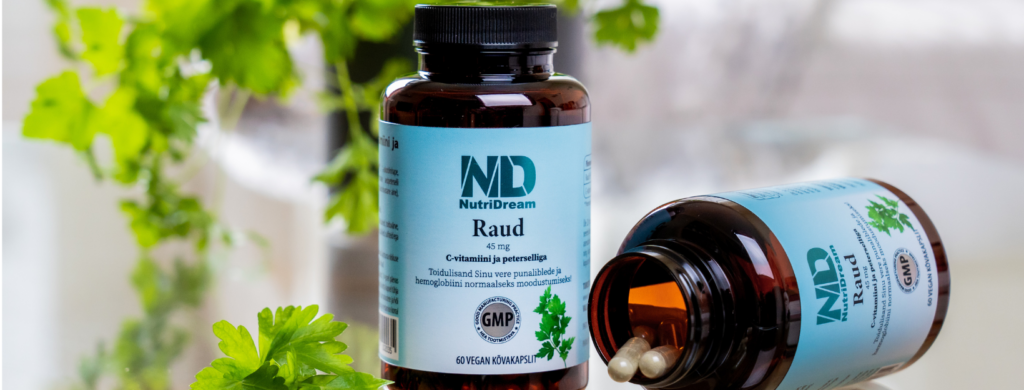
Iron deficiency anemia: a problem affecting thousands of women
Iron deficiency anemia is one of the most common nutrient deficiencies worldwide, particularly affecting women. According to World Health Organization (WHO) anemia is estimated to affect half a billion women 15–49 years of age worldwide. In 2019, 30% (539 million) of non-pregnant women and 37% (32 million) of pregnant women aged 15–49 years were affected by anemia. (1) In this blog post, we will discuss the causes, symptoms, diagnosis, and treatment of iron deficiency anemia.