Immune system

Vitamin D Deficiency: Symptoms and Warning Signs You Shouldn’t Ignore

Talvine vähene päikesevalgus

Did you know that during the winter months, as many as 73% of Estonians suffer from vitamin D deficiency? If you find yourself struggling with unexplained fatigue or muscle weakness, the culprit may be low levels of the “sunshine vitamin.” This is a critical signal that your body requires more systematic support and attention.

Vitamin D is far more than just a nutrient; it is a biologically active steroid hormone with receptors located in nearly every cell in the human body. It plays an indispensable role in regulating over 2,000 genes, influencing everything from bone density and immune response to mood stability. However, Estonia’s geographical position at the 59th parallel north means that from late September to early May, solar radiation is too weak for our skin to synthesize sufficient vitamin D. Research confirms that this creates a situation where a large portion of the population lives in a state of chronic deficiency, often failing to notice insidious symptoms before they develop into significant health problems.

Recognizing the Symptoms: How Your Body Signals Trouble

Most adults with mild to moderate vitamin D deficiency are initially asymptomatic. The signs are often non-specific and easily dismissed as the result of daily stress or overwork. According to The Journal of Clinical Endocrinology & Metabolism (JCEM), clinically significant symptoms typically become apparent when serum 25(OH)D levels fall below 50 nmol/L.

Persistent Fatigue and Low Energy

Exhaustion is one of the most common—yet frequently ignored—symptoms of a deficiency. Vitamin D is directly involved in cellular energetics and mitochondrial function, contributing to the body’s overall energy production. When levels are depleted, cells cannot function optimally, resulting in a sense of chronic exhaustion that rest alone cannot fix. Research has shown a strong correlation between low vitamin D and daytime sleepiness, highlighting its importance in regulating sleep quality and alertness.

A Weakened Immune System and Frequent Illness

Vitamin D is a primary modulator of the immune system, interacting directly with the cells responsible for fighting off pathogens. It stimulates the production of antimicrobial peptides and helps activate T-cells. If you find yourself constantly battling colds, the flu, or bronchitis, it may be a sign that your body’s natural defenses are compromised. Medical data suggests that deficiency is linked to an increased risk of upper respiratory tract infections because the immune system cannot respond to threats quickly enough.

Chronic Bone and Back Pain

Because vitamin D is essential for the absorption of calcium in the gut, a deficiency strikes at the heart of skeletal health. Without adequate levels, the body can only absorb a fraction of the calcium available in food. This often leads to chronic bone pain—typically described as a dull, deep ache—particularly in the lower back, hips, and shins. Over the long term, deficiency can lead to osteomalacia (the softening of the bones), which makes the skeleton sensitive and increases the risk of micro-fractures.

Muscle Weakness and Cramping

Vitamin D receptors are abundant in muscle fibers, meaning the vitamin directly impacts muscle contraction and overall performance. A deficiency can manifest as “proximal muscle weakness,” making simple tasks like climbing stairs or rising from a chair feel unusually difficult. Furthermore, because vitamin D regulates the flow of calcium into muscle cells, low levels can lead to persistent aches and cramps. In elderly populations, this loss of muscle strength and balance is a leading cause of falls and related trauma.

Mood Swings and Depression

The regions of the brain responsible for regulating emotion contain numerous vitamin D receptors. The vitamin plays a vital role in the synthesis and metabolism of neurotransmitters like serotonin and dopamine. Consequently, low vitamin D levels have been linked to depression and anxiety disorders. In northern climates like Estonia, this is especially relevant during the dark winter months; the combination of limited sunlight and vitamin deficiency can trigger Seasonal Affective Disorder (SAD), characterized by irritability, hopelessness, and a loss of interest in daily activities.

Why Does Deficiency Occur and Who Is at Risk?

While the primary cause in northern latitudes is a lack of sunlight, several biological and lifestyle factors also dictate how well the body synthesizes and stores the vitamin:

  • Aging: As we age, the skin becomes less efficient at synthesizing vitamin D from UVB radiation. Additionally, the kidneys may struggle to convert the vitamin into its active form, meaning older adults often require higher doses to maintain healthy levels.
  • BMI and Adipose Tissue: Vitamin D is fat-soluble, meaning it can become “trapped” in the body fat of overweight individuals. This sequestering means the vitamin may not be readily available in the bloodstream, significantly increasing the risk of deficiency for those with a higher Body Mass Index.
  • Melanin Content: Melanin acts as a natural sunblock. While it protects the skin, it also absorbs UVB rays, inhibiting vitamin production. This means individuals with darker skin tones require significantly more sun exposure to produce the same amount of vitamin D as those with fair skin.
  • Malabsorption Issues: Health conditions such as celiac disease, Crohn’s disease, or inflammatory bowel disease (IBD) can hinder the absorption of vitamin D from food or supplements. Similarly, liver or kidney issues can prevent the body from converting the vitamin into a usable form.
  • Dietary Restrictions: Because vitamin D is primarily found in animal products—such as fatty fish, liver, and egg yolks—vegetarians and vegans may struggle to get enough from their diet alone without the help of fortified foods or supplements.

Long-term Health Consequences

If left uncorrected for years, low vitamin D levels can lead to serious systemic issues. One of the most critical complications is secondary hyperparathyroidism. In this state, the body tries to compensate for low blood calcium by overproducing parathyroid hormone (PTH). PTH then “borrows” calcium from the bones to keep the heart and nervous system functioning, which inevitably leads to decreased bone density, osteoporosis, and a high risk of fractures.

Beyond bone health, recent studies suggest that chronic deficiency may be linked to cardiovascular disease, impaired glucose metabolism, and certain autoimmune conditions. The Mayo Clinic emphasizes that untreated deficiency can lead to severe skeletal deformities and chronic pain syndromes that are entirely preventable with timely intervention.

Diagnosis and Optimal Levels

Since symptoms are often vague, the only definitive way to check your status is through a blood test. Labs measure the level of 25-hydroxyvitamin D (25(OH)D) to determine your body’s total stores.

The following reference values are generally used in Estonia:

  • Deficiency: Below 50 nmol/L. Health risks are high at this level, and clinical intervention is required.
  • Sufficiency (Optimal): 75–120 nmol/L. This range is ideal for supporting the immune system and bone health.
  • Toxicity: Above 250 nmol/L. This is rare and usually only occurs through prolonged, excessive over-supplementation.

Given the local climate, health specialists recommend testing vitamin D levels at least once a year, ideally in the autumn or at the end of winter when stores are naturally at their lowest. Those in high-risk groups, such as the elderly or those with high BMIs, should test more frequently to tailor their dosage.

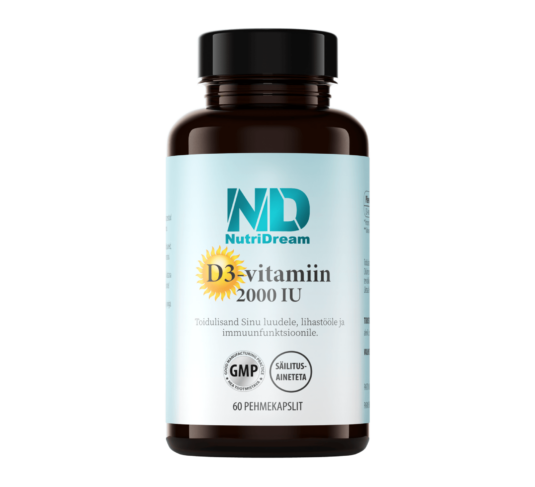
While a balanced diet is important, reaching optimal levels through food alone is nearly impossible in a northern climate. High-quality supplements are a practical way to bridge the gap. If you are looking to boost your resilience, consider immunity-supporting supplements. If fatigue and low motivation are your primary concerns, specialized energy products may provide the necessary support.

Vitamin D deficiency is a “quiet” problem that can significantly lower your quality of life, but it is also one of the easiest to solve. If you are experiencing fatigue, muscle pain, or frequent illness, do not wait. Consult your doctor or arrange a blood test independently. Maintaining optimal vitamin D levels is one of the simplest ways to ensure strong health, sturdy bones, and a steady mood all year round.

Sources: