
Blog
Understanding Magnesium: Which Form Is Right for You?

Have you ever felt overwhelmed by the dozens of different magnesium supplements on the shelf? Choosing the right form is critical; bioavailability determines whether the mineral supports your sleep and muscles or simply passes through your system, potentially causing nothing but gastrointestinal discomfort.
Magnesium is an essential mineral involved in over 300 enzymatic reactions, regulating everything from heart rhythm to protein synthesis. While we should ideally obtain our magnesium from food, modern intensive farming practices and high stress levels have made deficiency a widespread issue. The body requires magnesium for energy production (ATP synthesis), nerve impulse transmission, and muscle relaxation. Consequently, a deficiency impacts both mental and physical well-being.
Why the Form of Magnesium Matters
Not all magnesium supplements are created equal. The primary difference lies in the molecule to which the magnesium is bound—whether it is an organic salt, an inorganic compound, or an amino acid chelate. This carrier molecule determines how efficiently your digestive system can break down the mineral and transport it into the bloodstream.
A 2019 study examining various supplements found that magnesium absorption profiles can vary significantly, especially within the first four hours after ingestion. Some forms raise magnesium levels quickly but briefly, while others ensure a stable supply over a longer period. Choosing the wrong supplement may mean the mineral remains in the intestines, where it binds to water and causes a laxative effect, never reaching the cells that need it most.
Common Magnesium Forms and Their Benefits
When selecting a supplement, it is important to understand the specific benefits of each form, as different compounds target different tissues in the body.
Magnesium Citrate – Optimal Absorption and Muscle Support
Magnesium citrate is one of the most widely used and scientifically studied forms. In this compound, magnesium is bound to citric acid, resulting in excellent water solubility and high bioavailability. A 2024 clinical study confirmed that magnesium citrate has significantly better absorption than the more common magnesium oxide.
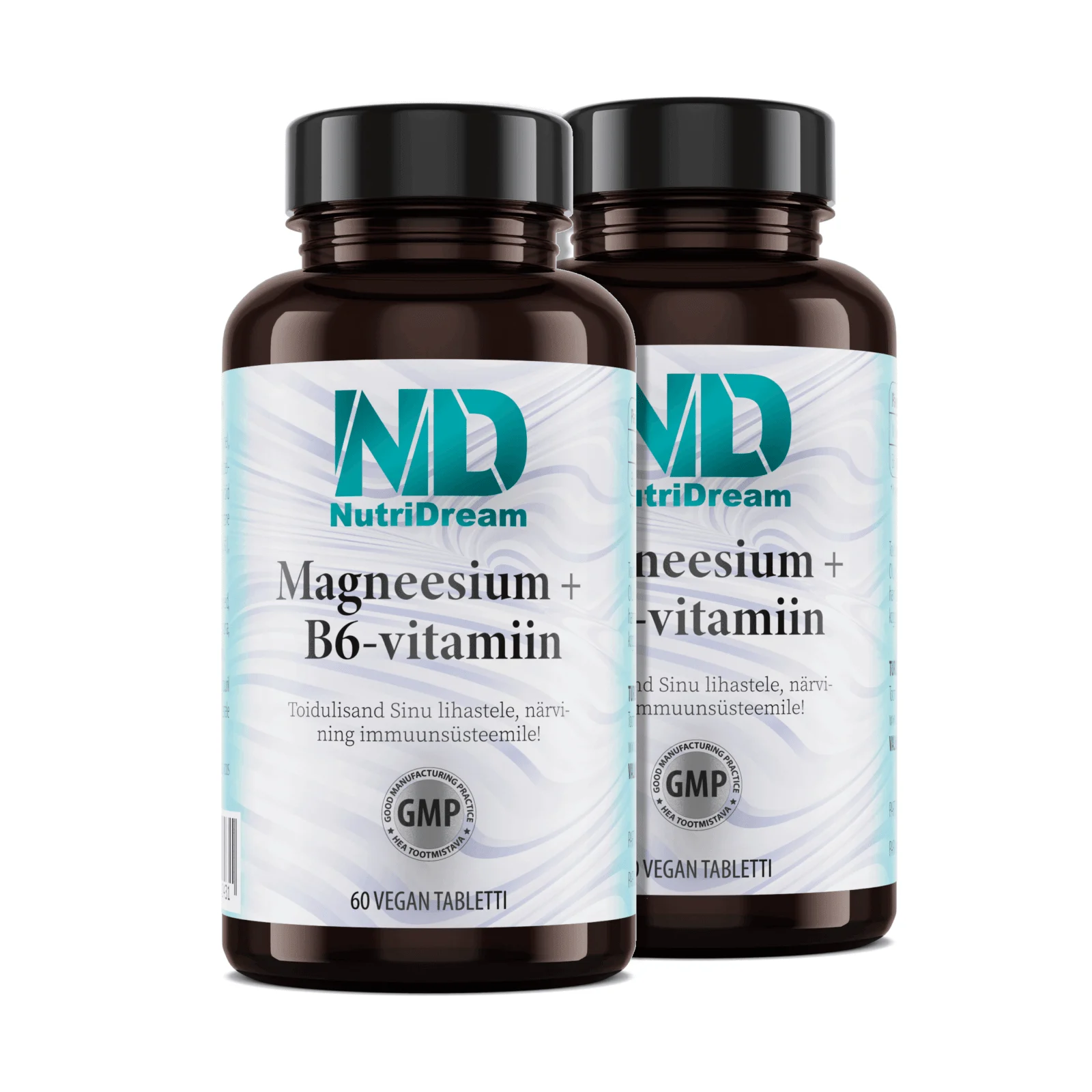
Because citrate is absorbed quickly, it is an ideal choice for supporting muscle function and recovery after physical exertion. NutriDream’s magnesium utilizes the citrate form to ensure the mineral reaches the bloodstream rapidly. This formula also includes Vitamin B6, which acts as a cofactor, helping magnesium move through cell membranes and remain inside the cells where it is most effective.

Magnesium Bisglycinate – Sleep Quality and Relaxation
Magnesium bisglycinate is a chelated form where magnesium is bound to two glycine molecules. Glycine is an amino acid known for its calming effect on the central nervous system. This combination makes bisglycinate particularly effective for those dealing with sleep disorders or chronic anxiety.
Research indicates that daily supplementation with 250 mg of magnesium bisglycinate can improve insomnia severity and increase sleep duration within just four weeks. Additionally, bisglycinate is exceptionally gentle on the stomach; since it does not require a highly acidic environment for absorption, it rarely causes digestive upset, even at higher doses. For those seeking rest, this is often the preferred choice in the sleep and rest category.
Magnesium L-Threonate – Cognitive Performance and Brain Health
Magnesium L-threonate is an innovative form with the unique ability to cross the blood-brain barrier. Unlike other forms that primarily raise systemic magnesium levels, L-threonate is specifically designed to increase magnesium concentrations within brain tissue.
Randomized controlled trials have demonstrated that magnesium L-threonate improves sleep quality and daytime functioning in individuals experiencing cognitive fatigue. It supports synaptic plasticity—essential for learning and memory—making it a popular choice for students, the elderly, and those focused on mental health.
Magnesium Oxide – Why Quality Matters
Magnesium oxide is frequently found in budget supplements because it is inexpensive to produce and contains a high percentage of elemental magnesium by weight. However, its bioavailability is extremely low—often as little as 4% is actually absorbed. The remaining magnesium stays in the gut, where it acts as an osmotic laxative. Consequently, oxide is better suited for short-term relief of constipation rather than for restoring magnesium stores or relieving muscle cramps.
Magnesium and Sleep: Supporting Your Rest
Sleep disorders are often linked to an overexcited nervous system that struggles to switch into “rest and digest” mode. Magnesium plays a key role here by regulating neurotransmitters and binding to GABA (gamma-aminobutyric acid) receptors. GABA is the primary inhibitory neurotransmitter responsible for reducing nerve activity and promoting relaxation.

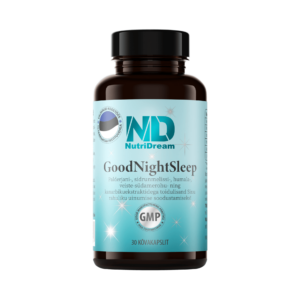
To improve sleep quality, consider a multi-faceted approach. NutriDream’s sleep capsules, developed in collaboration with the University of Tartu’s Institute of Pharmacy, combine magnesium with calming herbal extracts like valerian and hops. This synergy helps shorten the time it takes to fall asleep and encourages deeper sleep phases, leaving you feeling more refreshed in the morning.
The Vicious Cycle of Stress and Magnesium
Stress and magnesium are linked through what scientists call a “vicious cycle.” During stressful periods, the body triggers a reaction that releases magnesium from the cells into the blood, where it is then excreted by the kidneys. Simultaneously, low magnesium levels make the body more susceptible to stress, as the mineral can no longer effectively regulate stress hormones like cortisol.
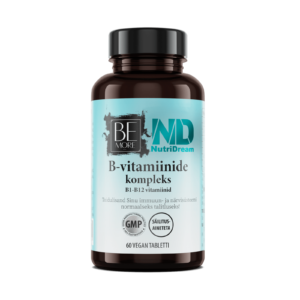
While the impact of magnesium on anxiety is still being studied, systematic reviews confirm that adequate levels help alleviate the subjective feeling of stress. During high-pressure periods, it is often recommended to combine magnesium with B-complex vitamins to support nervous system function and reduce fatigue.
Muscle Tension, Cramps, and Recovery
Muscle cramps are one of the most common signs of a magnesium deficiency. Physiologically, magnesium acts as a counter-balance to calcium: while calcium is necessary for muscle contraction, magnesium allows the fibers to relax. When levels are low, muscles can become “locked,” leading to tension, twitching, or painful spasms.
It is worth noting that a Cochrane review found that magnesium may not relieve cramps for everyone equally, particularly in older adults where circulation might be the primary cause. However, for active individuals whose magnesium requirements are higher due to sweating and physical exertion, a course of magnesium citrate is often a highly effective solution.
How to Choose the Best Supplement
When selecting a magnesium product, look beyond the price tag and package size. Consider these criteria:
- Elemental Magnesium Content: Labels often list the total weight of the compound (e.g., 1000 mg of magnesium citrate), but the “elemental” or pure magnesium content is what matters. In citrate, this is typically around 150–200 mg.
- Vitamin B6: The addition of B6 significantly improves magnesium absorption and its delivery to intracellular structures.
- Targeted Needs: Choose citrate for muscle function and energy, or bisglycinate for sleep and nervous system support.
- Purity: Select a trusted manufacturer that avoids unnecessary fillers and maintains strict quality control.
Adding magnesium to your daily routine is an investment in your long-term health. Whether you are looking for better sleep, relief from muscle tension, or improved stress tolerance, making an informed choice ensures your body receives the support it needs. Explore the range of supplements at NutriDream to find the right fit for your health goals.
References:
- “Comparative Clinical Study on Magnesium Absorption and Side Effects After Oral Intake of Microencapsulated Magnesium Versus Other Magnesium Sources”. Nutrients. (2024)
- “Predicting and Testing Bioavailability of Magnesium Supplements”. Nutrients. (2019)
- “Magnesium Bisglycinate Supplementation in Healthy Adults Reporting Poor Sleep: A Randomized, Placebo-Controlled Trial”. Nature and Science of Sleep. (2025)
- “Magnesium-L-threonate improves sleep quality and daytime functioning in adults with self-reported sleep problems: A randomized controlled trial”. Journal of Integrative Medicine. (2024)
- “The Effects of Magnesium Supplementation on Subjective Anxiety and Stress – A Systematic Review”. Nutrients. (2017)
- “Magnesium Status and Stress: The Vicious Circle Concept Revisited”. Nutrients. (2020)
- “Magnesium for skeletal muscle cramps”. Cochrane Database of Systematic Reviews. (2020)