

Blog
Vitamin C and the Immune System: A Scientific View of the Body’s Natural Resilience

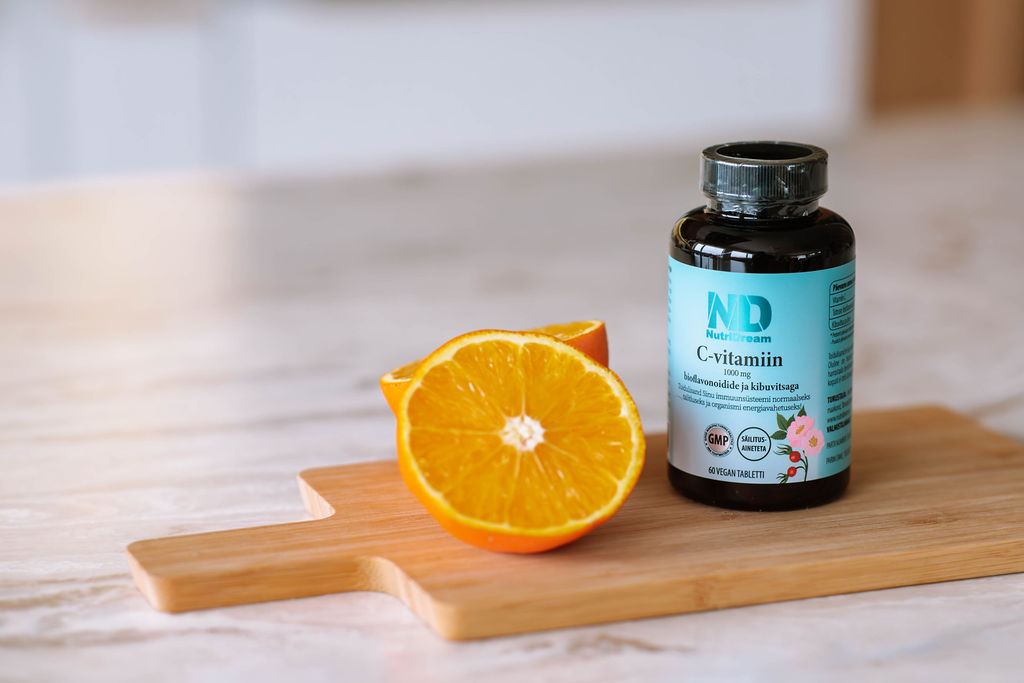
We often treat vitamin C as a quick fix—something to reach for only when we feel a scratchy throat coming on. In reality, this essential nutrient is far more than a temporary emergency measure; it is the daily biochemical fuel that keeps our immune cells functioning at their peak. To unlock its true protective potential, we must move past reactive dosing and focus on maintaining robust cellular reserves day in and day out.
Unlike most other mammals, humans cannot synthesize vitamin C (ascorbic acid) endogenously. Because this water-soluble micronutrient cannot be stored by the body in large amounts, we must replenish it daily through diet or targeted supplementation to keep hundreds of vital biochemical pathways running smoothly. While traditional medicine has long championed its healing properties, modern immunology now provides a precise cellular map of how vitamin C safeguards our health. A deficiency is directly linked to impaired immune function and a higher susceptibility to pathogens. Conversely, active infections rapidly deplete the body’s vitamin C reserves, driving up metabolic demand just when the body needs it most.
How Does Vitamin C Biologically Support the Immune System?
Vitamin C supports our immune defenses on multiple fronts, from fortifying physical barriers to modulating complex cellular responses. Its first and most vital job is maintaining the body’s primary line of defense: the epithelial barrier. By promoting collagen synthesis and neutralizing environmental free radicals, vitamin C supports epithelial barrier function against pathogens. Specifically, ascorbic acid acts as a cofactor for enzymes that cross-link and stabilize the collagen triple helix, preserving the structural integrity of our skin and mucous membranes.
Should a pathogen breach these physical boundaries, the innate immune system immediately springs into action. Vitamin C actively accumulates in specialized white blood cells like phagocytes and neutrophils, reaching concentrations far exceeding those found in blood plasma. Armed with these reserves, vitamin C enhances chemotaxis and phagocytosis, accelerating the migration of immune cells to the infection site to neutralize invading microbes. Furthermore, it shields these hard-working immune cells from self-inflicted oxidative damage and facilitates timely apoptosis (programmed cell death). This controlled cleanup is essential for resolving inflammation and preventing unnecessary tissue damage during recovery.
Beyond this immediate response, vitamin C is equally vital for the adaptive immune system—the body’s highly specific immunological memory. It supports the normal development and proliferation of T- and B-lymphocytes, which are responsible for producing targeted antibodies and establishing long-term immunity. Without adequate vitamin C levels, the body’s ability to adapt to and effectively neutralize novel viral threats is significantly compromised.

The Common Cold and Recovery: Scientific Facts vs. Myths
It is a widely held belief that loading up on megadoses of vitamin C at the very first sniffle will ward off a cold entirely. However, clinical literature offers a more nuanced, evidence-based perspective. While daily vitamin C supplementation does not necessarily prevent you from catching a cold in the first place, it does profoundly impact how quickly and smoothly you recover.
Systematic reviews and clinical trials have demonstrated the following:
- Daily vitamin C supplementation reduces the duration of the common cold by an average of 8% in adults and up to 14% in children.
- Taking an extra therapeutic dose at the onset of symptoms, on top of daily maintenance, can further shorten the duration of the cold by about half a day.
- Vitamin C reduces the overall severity of cold symptoms by roughly 15% compared to a placebo.
- In highly active individuals or those under extreme physical duress (such as marathon runners or military personnel), Vitamin C supplementation can reduce the risk of catching a cold by up to 50%.
These findings suggest that while supplemental vitamin C won’t build an impenetrable shield against exposure, a body with optimal nutrient levels is far better equipped to mount a defense. This translates to milder symptoms and a much faster return to full health. This is precisely why immune support supplements become especially critical during the colder, darker months, when seasonal pathogens circulate more freely and dietary sources of fresh produce may fall short.
Synergy with Other Nutrients: Zinc, Iron, and Vitamin D
The immune system never relies on a solo performance; rather, it operates as a tightly integrated network where different nutrients amplify each other’s effects. Within this system, vitamin C acts as an invaluable partner, enhancing the absorption and biological efficiency of several other key elements.
One of the most established nutritional synergies is between vitamin C and iron. Vitamin C dramatically improves the absorption of non-heme iron (the plant-based form found in foods like spinach and legumes), which is crucial for maintaining red blood cell health, cellular oxygenation, and overall vitality. Similarly, vitamin C and zinc form an essential partnership for cellular renewal. While vitamin C fortifies physical barriers and neutralizes free radicals, zinc is a fundamental component for DNA synthesis and cell division across more than 300 enzymes.

For those of us living in northern latitudes, vitamin D is another indispensable piece of the puzzle. While vitamin C optimizes the immediate, active response of immune cells, vitamin D acts as the master modulator of the entire immune system. Robust clinical data confirms that a Vitamin D deficiency is directly linked to an increased risk of contracting upper respiratory tract infections. Combining these nutrients—often formulated together in high-quality daily complexes—ensures a comprehensive, multi-layered approach to seasonal resilience.

Vitamin D3 2000 IU
Original price was: € 13,52.€ 8,11Current price is: € 8,11.
Who Should Pay Extra Attention to Vitamin C?
While a colorful, balanced diet remains the cornerstone of health, certain populations have a significantly higher metabolic demand for vitamin C. In these cases, standard dietary intake may not be enough to maintain optimal cellular levels:
- Smokers: The toxic compounds in tobacco smoke generate massive oxidative stress. Consequently, clinical guidelines suggest that smokers require an additional 40 mg of vitamin C daily to offset accelerated depletion and prevent subclinical deficiency.
- Athletes and highly active individuals: High-intensity physical exertion acts as a physiological stressor, temporarily increasing the production of free radicals. Vitamin C helps mitigate this oxidative stress, accelerating tissue repair and recovery.
- Overweight individuals: Evidence suggests that individuals with higher body weights often present with lower plasma vitamin C concentrations, even with comparable dietary intake. This points to a higher metabolic turnover of antioxidants in individuals with metabolic challenges, requiring higher doses to maintain tissue saturation.
- Older adults: Age-related changes in the digestive system can reduce nutrient absorption, and dietary variety often declines with age. Daily supplementation can help older adults maintain robust cellular vitality.
How to Choose and Take the Right Supplement
Navigating the supplement market can be daunting, given the wide array of vitamin C formulations available. A science-based understanding of absorption dynamics can help you choose the most effective option.
First, absorption efficiency is highly dose-dependent. The human body absorbs vitamin C via active transport systems that saturate relatively quickly. In fact, oral doses exceeding 400 mg per day do not significantly increase plasma concentration in a single sitting, as excess amounts are simply excreted. For this reason, time-release (sustained-release) formulations or smaller, divided doses throughout the day offer far better bioavailability.
Second, clinical evaluations confirm that synthetic ascorbic acid and food-derived vitamin C offer comparable bioavailability. However, natural supplements formulated with bioflavonoids or rosehip extract offer valuable secondary antioxidants and improve the nutrient’s kinetics. If you are looking for advanced delivery, research shows that liposomal vitamin C delivers higher plasma concentrations and superior cellular uptake, as its lipid bilayer shields the active compound from digestive breakdown.
From a safety perspective, a daily intake of up to 1,000 mg is widely considered safe and highly effective for long-term use. However, individuals—particularly men—should avoid chronic megadoses exceeding 2,000 mg. Because excess ascorbic acid is metabolized into oxalate, high vitamin C intake is linked to an increased risk of kidney stones in susceptible individuals. The ideal approach is to choose a moderate, highly bioavailable dose paired with supportive botanical extracts.
Building a Strong Foundation for Health
Ultimately, vitamin C remains a cornerstone of the body’s daily defense strategy, supporting everything from the physical integrity of our skin to the target-seeking accuracy of our immune cells. While it is not a cure-all, its ability to reduce the severity of seasonal illnesses, shorten recovery times, and combat oxidative stress is firmly established by modern science.
To maintain year-round resilience, we recommend a dual approach: a nutrient-dense diet paired with high-quality, targeted supplementation when your body is under physical stress or facing seasonal challenges. If you are looking to support your daily wellness with clean, science-backed formulas, explore the NutriDream range to find solutions tailored to your biological needs.
- “Vitamin C and Immune Function”. Nutrients. (2017)
- “Vitamin C and the common cold: a narrative review”. Journal of Education, Health and Sport. (2025)
- “Extra Dose of Vitamin C Shortens the Common Cold: A Meta-Analysis”. Nutrients. (2018)
- “Vitamin C reduces the severity of common colds: a meta-analysis”. BMC Public Health. (2023)
- “Vitamin C – a scoping review for Nordic Nutrition Recommendations 2023”. Food & Nutrition Research. (2023)
- “A Systematized Review of the Relationship Between Obesity and Vitamin C Requirements”. Nutrients. (2024)
- “Liposomal delivery enhances absorption of vitamin C into plasma and leukocytes”. Nutrition Research. (2024)
- “Synthetic or Food-Derived Vitamin C – Are They Equally Bioavailable?”. Nutrients. (2013)
- “Total, Dietary, and Supplemental Vitamin C Intake and Risk of Incident Kidney Stones”. American Journal of Kidney Diseases. (2016)
- “Ascorbic Acid (Vitamin C) as a Cosmeceutical to Increase Dermal Collagen”. Antioxidants. (2022)
- “Vitamin C pharmacokinetics in healthy volunteers: evidence for a recommended dietary allowance”. PNAS. (1996)