
Blog
Electrolytes and Sports: The Key to Optimal Athletic Performance


Did you know that losing just 2% of your body weight in water can make your workouts feel significantly harder? Staying optimally hydrated goes far beyond simply chugging water; it requires maintaining a precise balance of essential minerals to keep your muscles firing and your nervous system sharp through every mile.
What Are Electrolytes and Why Do Athletes Need Them?
Electrolytes are electrically charged minerals dissolved in bodily fluids. They carry the electrical currents necessary for transmitting nerve impulses and initiating muscle contractions. The primary electrolytes affecting athletic performance are sodium, potassium, magnesium, and calcium. Their precise balance regulates fluid distribution between intracellular and extracellular compartments, directly influencing blood plasma volume, blood pressure, and overall endurance.
Skeletal muscle fatigue and reduced power during training are deeply tied to shifts in potassium, sodium, chloride, and calcium gradients across the cell membrane, known as the sarcolemma. The movement of these ions regulates how excitable the cell membrane is, allowing action potentials to trigger muscle contractions. When this delicate ionic balance is disrupted, the nervous system’s capacity to activate muscle fibers effectively declines, resulting in a sudden drop in performance and premature fatigue.
This is especially critical in endurance sports and warm climates, where fluid loss is rapid. Interactions between multiple ions can seriously impair excitation-contraction coupling—the fundamental physiological mechanism that maintains muscle force. Consequently, replacing lost electrolytes is not just a matter of comfort; it is a physiological necessity for sustained, high-intensity performance.

Sodium: The Key to Fluid Balance and Plasma Volume
Sodium is the primary electrolyte lost in sweat. Its main job is to maintain extracellular fluid volume and regulate osmotic pressure. During exercise—particularly in the heat—sodium replenishment is vital to prevent blood plasma volume from plummeting. A drop in plasma volume makes your blood more viscous, forcing your heart to work harder to pump it while simultaneously compromising your body’s ability to dissipate heat, leading to rapid overheating.
Studies suggest that drinking hypotonic carbohydrate-electrolyte beverages containing moderate-to-high sodium levels (at least 45 mmol/L) and low carbohydrates can accelerate fluid absorption in the gut and improve fluid retention during recovery. While many believe plain water is always the gold standard for hydration, consuming large amounts of water without sodium can trigger diuresis (increased urine production). This means your body quickly flushes the water out instead of absorbing it into your cells and bloodstream, making effective rehydration much harder.
Systematic meta-analyses demonstrate that hypertonic, isotonic, and hypotonic sports drinks all support plasma volume restoration, though hypotonic options may hold a slight edge for promoting central hydration. When fluid intake matches sweat loss, consuming a sodium-rich beverage helps prevent a drop in blood sodium concentration, which is critical for avoiding exercise-associated hyponatremia. This is a vital consideration for endurance athletes whose training sessions or races exceed two hours.
The Role of Magnesium and B-Vitamins in Energy Metabolism
For active individuals, magnesium is an indispensable mineral that serves as a co-factor in over 300 enzymatic reactions. Perhaps its most critical role is producing and stabilizing adenosine triphosphate (ATP), the body’s primary energy currency. Magnesium also regulates muscle relaxation and nervous system function. While we lose far less magnesium through sweat than sodium, a chronic subclinical deficiency can lead to muscle cramps, persistent fatigue, and sluggish recovery times.
Magnesium and calcium are among the most thoroughly studied minerals in sports nutrition. While research on their direct performance-enhancing effects varies, there is no doubt that a deficiency impairs the body’s ability to adapt to training loads and recover from exercise-induced microtrauma. Magnesium absorption and energy metabolism are heavily supported by B-complex vitamins, which act as essential cofactors to help convert dietary carbohydrates and fats into usable cellular fuel.
The B-vitamin complex is also key for reducing overall fatigue while simultaneously supporting mental clarity and immune health. Under intense training loads, your body experiences heightened physical and oxidative stress, making a steady supply of these micronutrients absolutely essential.
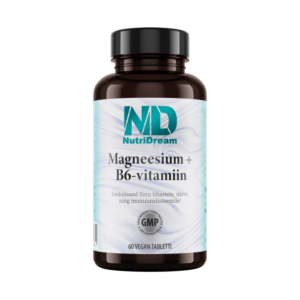
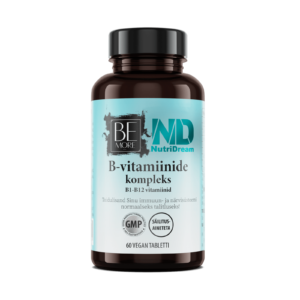
Complex of B-vitamins (B1-B12)
Original price was: € 15,08.€ 7,54Current price is: € 7,54.Sweating Is Highly Individual: How Much Are You Losing?
One of the most common pitfalls for athletes is following a rigid, generic hydration template. Scientific evidence highlights massive individual variation in both sweat rates and sweat electrolyte concentrations. For instance, sweat sodium concentration can vary widely from person to person—ranging from 20 to 80 mmol/L—even when training under identical conditions.
Several key variables drive this individual difference:
- Environmental conditions: High heat and humidity dramatically increase sweat rates as the body fights to cool itself.
- Exercise intensity: Research has shown that higher training intensities spike sodium and chloride loss by roughly 150%, even when other variables remain constant.
- Body composition and gender: A larger body mass and surface area typically result in a greater sweating surface, leading to higher overall fluid loss.
- Heat acclimatization: As you adapt to hot conditions, your sweat glands become more efficient at reabsorbing sodium, producing more “dilute” sweat to conserve vital minerals.
Ultimately, tailoring a personalized hydration strategy based on your sweat rate and thirst is far more effective than following static, pre-set guidelines. This ensures optimal fluid balance and protects performance when the margin for error is slim. To support your overall health and maintain baseline mineral levels, incorporating high-quality daily supplements and minerals is an excellent way to lay a strong foundation for your training.
Recovery and Rehydration
Your hydration strategy does not end when your training session does. Effective recovery requires targeted replenishment of lost fluids and electrolytes so your body can initiate cellular repair. Drinking only plain water post-exercise can cause a rapid drop in blood osmolality, signaling your kidneys to flush out the water before your cells can actually absorb it.
To ensure rapid and complete rehydration after heavy fluid loss, sports science guidelines recommend consuming approximately 125% to 150% of the lost fluid volume, particularly when the turnaround time between training sessions is short. This extra 50% accounts for ongoing post-exercise urine output. It is equally important that your recovery drink contains adequate sodium; a higher sodium concentration in your recovery beverage (around 50–60 mmol/L) minimizes fluid loss in urine and promotes superior fluid retention.
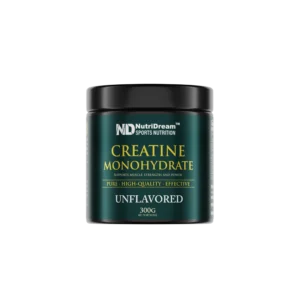
To further accelerate recovery and replenish energy stores, consider incorporating supplements that support muscle energetics. Creatine, for example, is one of the most rigorously researched athletic supplements available. It rapidly restores cellular ATP levels, supporting both subsequent physical performance and cognitive function under fatigue.
The Risks: Dehydration vs. Hyponatremia
In athletic hydration, balance is everything: both under-hydrating and over-hydrating carry serious physiological consequences. Dehydration exceeding 3% of body mass causes a statistically significant spike in rating of perceived exertion (RPE) during endurance activities, making workouts feel much harder. Alarmingly, research indicates that many young athletes begin their training sessions already mildly dehydrated, which only compounds during exertion and can hinder both long-term health and athletic development.
On the flip side, over-hydration can lead to exercise-associated hyponatremia (EAH), a dangerous condition where blood sodium levels drop to critically low levels. The primary driver of EAH is drinking in excess of thirst, which overloads the kidneys’ capacity to excrete water. Research confirms that athletes who actually gain weight during a workout or race—usually from over-drinking—are at the highest risk for hyponatremia. Integrating electrolytes into your hydration protocol is a critical safety measure to help maintain stable blood sodium levels when fluid demands are high.
Though athletes often blame low electrolytes for muscle cramps, the scientific consensus is far more nuanced. Experimental evidence indicates that acute changes in fluid and serum electrolyte levels may not be the primary triggers for cramping; instead, localized neuromuscular fatigue appears to play a much larger role. Nevertheless, maintaining systemic mineral balance is still essential for overall muscular health and daily function.
Caring for your muscles and joints is a long-term investment in your athletic longevity. Beyond dialing in your electrolytes, establishing a strong nutritional baseline with premium sports supplements can help you meet both daily physiological needs and the demands of high-intensity training blocks.
Optimal hydration is a science-backed balance of water, sodium, and key minerals. By understanding your body’s unique sweat profile, you can prevent performance drops, accelerate recovery, and keep your training safe and highly effective. If you are ready to elevate your training, start by optimizing your hydration strategy and choosing energy-boosting supplements designed to work with your body’s natural systems.
- “The Hydrating Effects of Hypertonic, Isotonic and Hypotonic Sports Drinks and Waters on Central Hydration During Continuous Exercise: A Systematic Meta-Analysis and Perspective”. Sports Medicine. (2021)
- “Sodium replacement and plasma sodium drop during exercise in the heat when fluid intake matches fluid loss”. Journal of Applied Physiology. (2009)
- “Compositional Aspects of Beverages Designed to Promote Hydration Before, During, and After Exercise: Concepts Revisited”. Nutrients. (2023)
- “Impact of dehydration on perceived exertion during endurance exercise: A systematic review with meta-analysis”. Journal of Exercise Science & Fitness. (2022)
- “Fluid Balance During Training in Elite Young Athletes of Different Sports”. European Journal of Sport Science. (2015)
- “Factors influencing the restoration of fluid and electrolyte balance after exercise in the heat”. British Journal of Sports Medicine. (1997)
- “National Athletic Trainers’ Association Position Statement: Fluid Replacement for the Physically Active (2017)
- “Sweating Rate and Sweat Sodium Concentration in Athletes: A Review of Methodology and Intra/Interindividual Variability”. Sports Medicine. (2017)
- [“Exercise intensity effects on total sweat electrolyte losses and regional vs. whole-body sweat [Na+], [Cl−], and [K+]”. European Journal of Applied Physiology. (2018)](https://pmc.ncbi.nlm.nih.gov/articles/PMC6373370/)
- “Personalized Hydration Strategy to Improve Fluid Balance and Intermittent Exercise Performance in the Heat”. Nutrients. (2024)
- “Exercise-Associated Hyponatremia: 2017 Update”. Clinics in Sports Medicine. (2017)
- “Three independent biological mechanisms cause exercise-associated hyponatremia: evidence from 2,135 weighed competitive athletic performances”. Proceedings of the National Academy of Sciences. (2005)
- “Exercise and fatigue: integrating the role of K+, Na+ and Cl− in the regulation of sarcolemmal excitability of skeletal muscle”. Journal of Physiology. (2023)
- “Do multiple ionic interactions contribute to skeletal muscle fatigue?”. Journal of Physiology. (2008)
- “Influence of Hydration and Electrolyte Supplementation on Incidence and Time to Onset of Exercise-Associated Muscle Cramps”. Journal of Athletic Training. (2005)
- “The Role of Mineral and Trace Element Supplementation in Exercise and Athletic Performance: A Systematic Review”. Nutrients. (2019)