

Blog
Creatine for Women: A Secret Weapon for Health and Mental Sharpness?

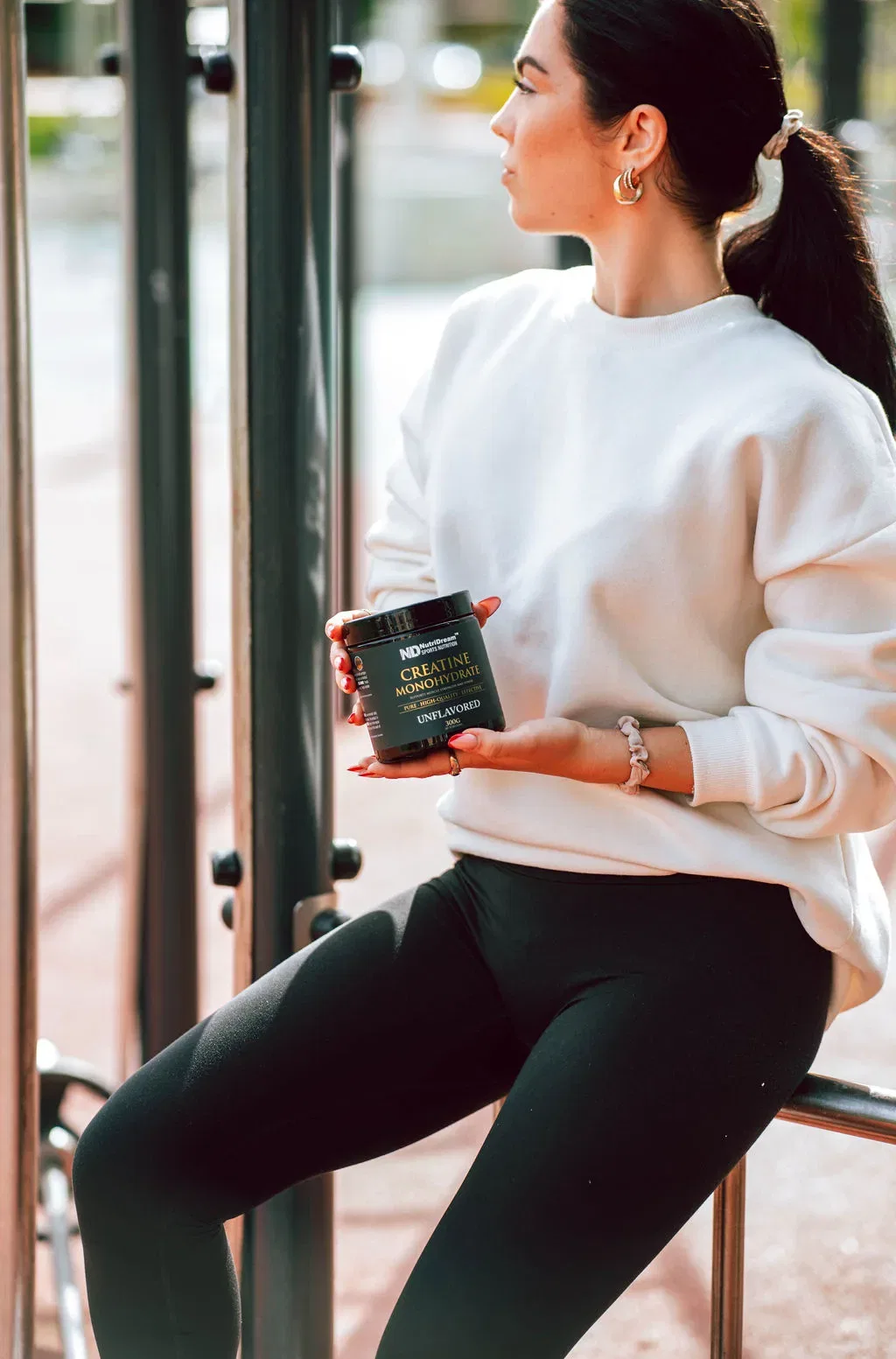
Have you ever avoided a supplement because it seemed marketed exclusively toward bodybuilders? Creatine is a prime example—often overlooked by women due to the fear of gaining “bulky” muscle mass, despite being one of the most research-backed tools for supporting female health.
Creatine monohydrate is among the most extensively studied supplements in the world. Over the last decade, research has confirmed that its benefits reach far beyond the weight room. This natural compound plays a vital role in cellular energy production, supporting muscle strength, cognitive function, and hormonal balance across every stage of a woman’s life. Because studies indicate that women naturally have lower creatine stores than men, supplementation can offer a significant edge in improving daily quality of life.
What Is Creatine and How Does It Work?
Creatine is a nitrogenous organic compound found primarily in skeletal muscle and the brain. While the body can synthesize small amounts using amino acids like arginine, glycine, and methionine, most of our creatine comes from dietary sources—specifically red meat and seafood. As a result, those who follow a plant-based diet often have lower baseline levels, making supplementation particularly effective for them.
At the cellular level, creatine’s primary job is to facilitate the production of adenosine triphosphate (ATP). ATP is the body’s universal “energy currency”—essential for everything from a simple blink to a heavy set of squats. During periods of intense physical exertion or high mental demand, the body consumes ATP faster than it can regenerate it. This is where creatine monohydrate acts as a “rapid recharger,” donating a phosphate group to restore ATP stores in seconds. This allows you to maintain high intensity for longer, whether you’re at the gym, chasing after children, or tackling a complex project at work.
Safety and Debunking Common Myths
The most common reason women shy away from creatine is the fear of weight gain and bloating. Scientific reviews show that while creatine may cause an initial increase in weight, this is due to intracellular fluid retention rather than subcutaneous bloating. This water is actually pulled *into* the muscle cells, improving hydration and nutrient transport—both of which are essential for recovery. It won’t make you look “bulky”; instead, it helps promote a toned, healthy, and athletic appearance.
Regarding safety, creatine monohydrate has been the subject of hundreds of clinical trials. Meta-analyses confirm that in healthy adults, creatine has no adverse effects on kidney or liver function, even with long-term use. Standard doses of 3–5 grams per day are considered perfectly safe. While some individuals report digestive issues, these are usually the result of taking excessively large doses during a “loading phase.” By maintaining a moderate intake and staying hydrated, the risk of side effects is minimal.
Athletic Performance: Greater Strength and Faster Recovery
For active women, creatine is one of the most effective legal performance enhancers available. Studies have shown that women who supplement with creatine alongside resistance training see significantly greater gains in maximal strength and power than those who train without it. These benefits manifest in several ways:
- Explosive Power and Endurance: Creatine helps you push through those final, decisive repetitions, which are critical for building lean muscle and bone density.
- Sprinting and Interval Training: It improves performance in repeated high-intensity bursts by accelerating the resynthesis of energy stores during rest periods.
- Reduced Muscle Damage: Emerging research suggests that creatine reduces inflammatory markers after strenuous exercise, leading to less soreness and faster recovery times.
Creatine’s impact on performance is also bolstered when combined with other nutrients. For example, magnesium is another essential mineral that supports normal muscle function and energy metabolism.
Cognitive Health: A Sharper Brain and Reduced Mental Fatigue
Creatine isn’t just for the body—the brain is a massive energy consumer that relies on a constant supply of ATP to maintain focus and memory. This is particularly relevant for women, as creatine levels in the brain can fluctuate during the menstrual cycle, often dipping during phases that coincide with “brain fog” or increased fatigue.
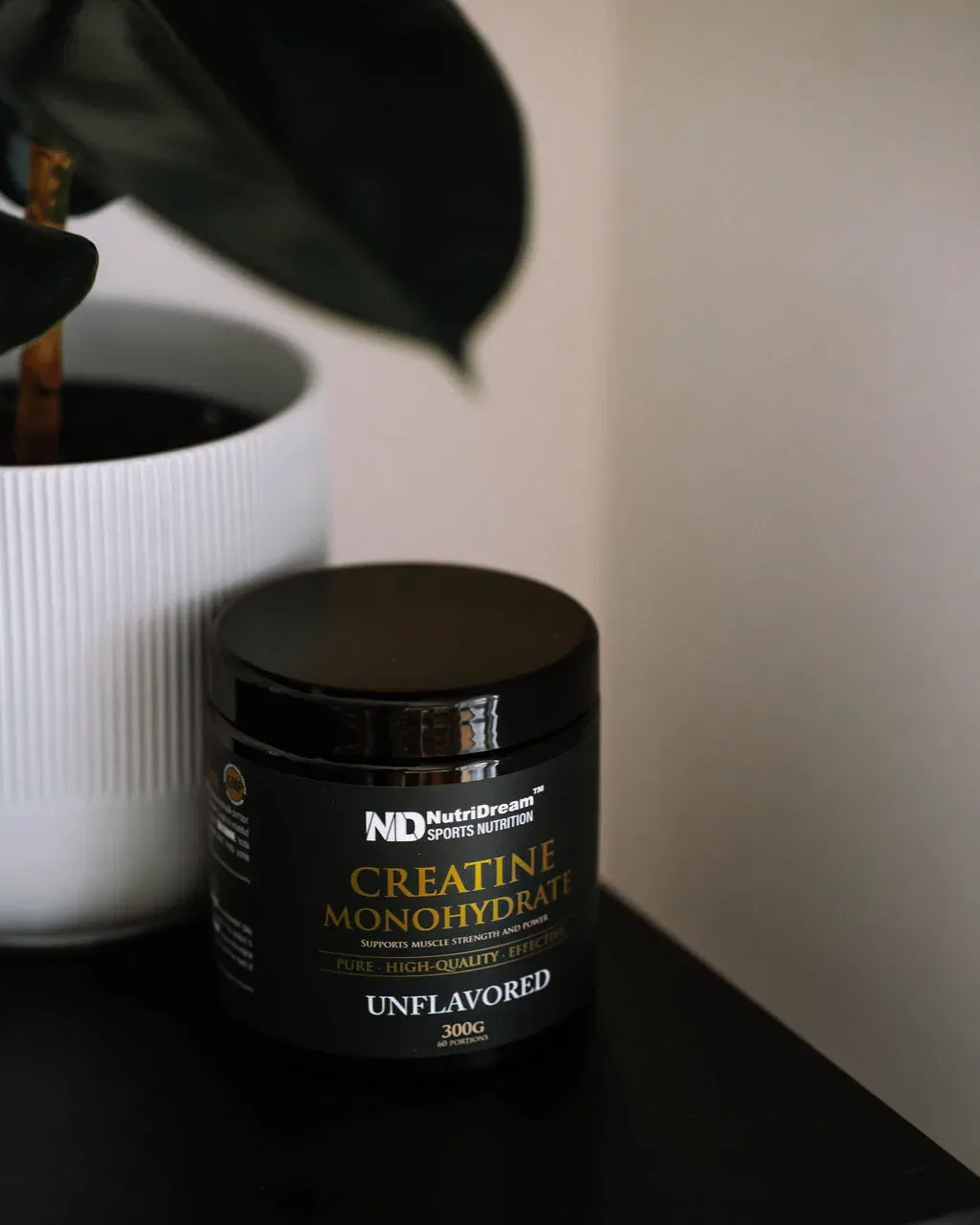
Modern scientific research confirms that creatine supplementation can improve short-term memory and attention span, particularly during periods of stress or sleep deprivation. It acts as a mental buffer, helping the brain maintain efficient energy production even when the body is exhausted. Many women find that consistent use helps them stay sharp during high-pressure workdays or exams.
Support Through Every Life Stage: From the Cycle to Menopause
Female physiology is dynamic, and creatine offers support at every milestone. During the luteal phase of the menstrual cycle (the second half), the body’s ability to utilize creatine may change, leading to faster fatigue. Supplementing during this time can help maintain training intensity and regulate cellular balance.
Creatine becomes even more critical during perimenopause and post-menopause. As estrogen levels decline, women naturally face a loss of muscle mass (sarcopenia) and bone density. Studies suggest that creatine, when paired with exercise, helps preserve muscle tissue and may support bone health by positively influencing bone mineral density. This makes it a vital tool for preventing osteoporosis and maintaining mobility as we age.
Vegetarians and vegans often see the most dramatic results from supplementation. Because their diets lack the primary natural sources of creatine, their muscle stores are often 20–30% lower than those of omnivores. Supplementing helps bridge this gap, markedly improving both physical and mental performance. Our unflavored creatine monohydrate is fully suitable for vegans.
How to Incorporate Creatine Into Your Routine
Taking creatine is simple and cost-effective. For the best results, choose pure creatine monohydrate, as it is the most bioavailable and widely researched form. There are two common ways to start:
- Maintenance Protocol: Take 3–5 grams (approximately one teaspoon) consistently every day. This is often the preferred method for women, as it minimizes the risk of digestive discomfort and fully saturates the muscles within 3–4 weeks.
- Loading Protocol: For faster results, you can take 20 grams per day (divided into four 5-gram doses) for 5–7 days, followed by the standard maintenance dose. This saturates the stores more quickly but may be harder on sensitive stomachs.
To maximize absorption, try taking your creatine with a source of carbohydrates or protein, as the resulting insulin response helps transport the creatine into the muscle cells. A post-workout smoothie or a meal is the perfect time. Remember: creatine does not provide an instant “kick” like caffeine. Its effects are cumulative, so consistency is key to seeing results.
Creatine is a safe, affordable, and evidence-based tool that empowers women to stay strong and mentally sharp. Whether your goal is peak athletic performance, better recovery, or simply feeling more energized, creatine monohydrate is a reliable partner for long-term health.
Scientific References:
- Smith-Ryan, A. E., et al. (2025). “Creatine in women’s health: bridging the gap from menstruation through pregnancy to menopause”. Journal of the International Society of Sports Nutrition.
- Healthline. “Creatine: Safety and Side Effects”.
- Smith-Ryan, A. E., et al. (2021). “Creatine Supplementation in Women’s Health: A Lifespan Perspective”. Nutrients.
- Prokopidis, K., et al. (2023). “Effects of creatine supplementation on memory in healthy individuals: a systematic review and meta-analysis of randomized controlled trials”. Nutrition Reviews.
- Wax, B. et al. (2021). “Creatine for Exercise and Sports Performance, with Recovery Considerations for Healthy Populations”. Nutrients.