
Blog
How the body recovers from the flu

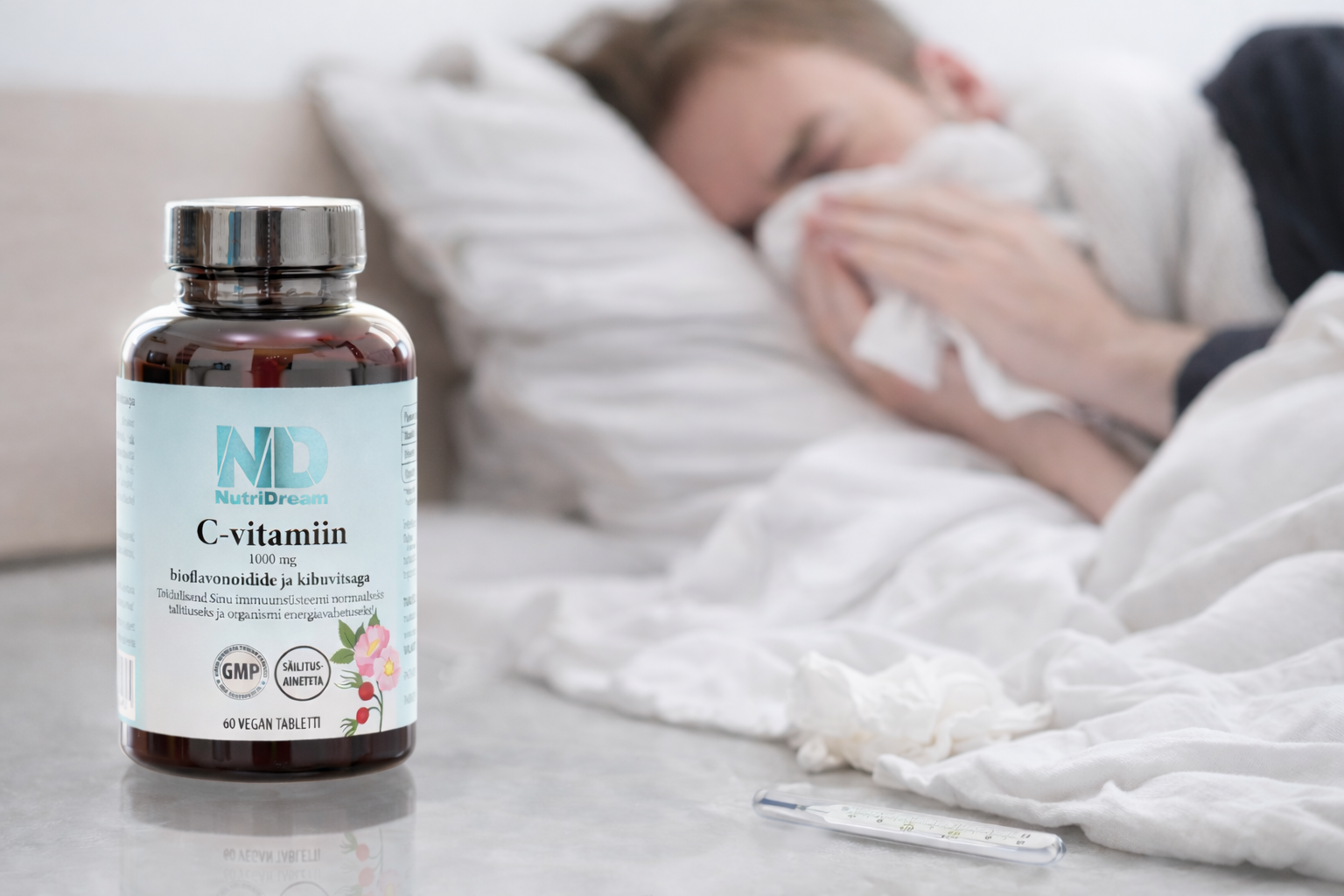
The flu, or influenza, is a viral illness that can significantly exhaust the body and leave behind prolonged fatigue and weakness. The acute phase of the flu is only part of the overall recovery process, and the disappearance of fever and cough does not always mean that the body has fully recovered. During the flu, the body uses a great deal of energy, and for proper recovery and normalization of the immune system, it is important to pay attention to nutrition, lifestyle, and the nutrients and supplements that support the body.
During the flu, the immune system is under considerable stress, and several studies have shown that certain nutrients can help support immune function and may even shorten the duration of illness. One review of the scientific literature highlights the role of vitamin C, vitamin D, zinc, and other antioxidants in immune function and their potential to reduce the duration and severity of acute respiratory infections.¹
Recovery starts with energy and fluids
During the flu, the body often loses more fluids because fever and faster breathing increase the need for water. If fluid intake is insufficient, fatigue worsens, mucous membranes dry out, and overall recovery slows down. The first foundation of recovery is regular hydration throughout the day. Water, herbal teas, and broths are good choices. If appetite is low, liquid or soft foods are often the easiest way to get energy and electrolytes.
When it comes to energy intake, it is important to understand that recovery from illness is not a time for the body to be in a deficit. The work of the immune system and tissue repair require fuel. If appetite is poor, it helps to eat smaller portions more frequently, choose more nutrient-dense foods, and prefer easily digestible meals such as soups, stews, porridges, egg dishes, yogurt, and soft legume-based dishes.
The role of protein in recovery
Protein is central to recovery because immune cells, enzymes, and tissue repair all depend on amino acids. During and after illness, muscle mass can decrease, especially if a person has eaten little and stayed in bed. Therefore, during recovery it is worth consciously including protein-rich foods every day, such as fish, chicken, eggs, cottage cheese products, or legumes. If regular food feels too heavy at first, protein-rich soups, yogurt, cottage cheese, and smoothie-type options can also work well.
One interesting fact is that during illness, metabolism often becomes catabolic. This means that the body starts breaking down its own muscle proteins to obtain amino acids for vital processes, such as the production of immune cells and the synthesis of acute-phase proteins in the liver. Studies show that even short-term illness or bed rest can lead to a noticeable loss of muscle mass and strength, especially in older adults. Adequate protein intake helps slow down this muscle loss and speeds up recovery.
The immune system itself is largely “made of protein.” Antibodies, cytokines, many immune cell receptors, and signaling molecules are all protein in nature.
It is also interesting that certain amino acids play a particularly important role in recovery. For example, glutamine is an important energy source for many immune cells, such as lymphocytes and macrophages. During illness and stress, the body’s need for glutamine may exceed its capacity to produce it, which makes sufficient protein intake especially important.
Where does glutamine come from?
Glutamine is abundant in protein-rich foods such as:
- meat and poultry
- fish
- eggs
- dairy products (cottage cheese, yogurt, cheese)
- legumes
- cruciferous vegetables (e.g., cabbage, spinach) in smaller amounts
Sleep as the key to immune recovery
Sleep is one of the most powerful and at the same time underestimated tools for recovery. Good sleep supports the balance of immune signaling molecules and restores the nervous system. A study conducted in 2015 found a link between shorter sleep duration and greater susceptibility to viral infection.² Although this study focused on the common cold virus, the principle is broader, because immune function depends significantly on sleep.
During the recovery period, it is sensible to allow yourself longer nights of sleep, take daytime rest breaks if needed, and reduce screen time before bed to make falling asleep easier.
Which vitamins and minerals are most important during recovery?
After the flu, it is also worth considering whether the body is getting the key micronutrients that are important for the immune system. If a person eats a varied diet, most of the necessary nutrients can be obtained from food, but during and after the flu, eating is often irregular and monotonous. In such situations, dietary supplements may be temporarily useful, especially if there is a risk of deficiency.
Some clinical studies and meta-analyses have shown that regular vitamin D supplementation during the winter period can reduce the risk of viral respiratory infections, including the flu. It has also been found that an adequate level of vitamin D in the blood can influence immune responses to viruses and affect inflammatory processes in the body.³
Vitamin C is a well-known antioxidant that supports immune cell function. Studies show that regular vitamin C intake can shorten the duration of the common cold. Research does not clearly confirm a role for vitamin C in recovery from the flu, but as an essential antioxidant, this vitamin is extremely important during the flu season because it helps protect body cells from damage. The best dietary sources of vitamin C are:
- bell peppers
- citrus fruits
- broccoli
- berries
Zinc is indirectly an important mineral for antioxidant defense. It is required for the function of several antioxidant enzymes, especially superoxide dismutase (SOD), which helps the body neutralize harmful free radicals. In addition, zinc helps to:
- stabilize cell membranes and proteins (resulting in less oxidative damage),
- reduce inflammation-related oxidative stress,
- support the immune system, which in turn helps the body recover better from infections and stress.
Conclusion
Recovery after the flu is a period during which the immune system regains balance, energy stores are replenished, and tissues heal. The most impactful steps are sufficient sleep, adequate fluids, enough energy and protein, a varied diet, and support for the gut microbiome. NutriDream’s vitamin D and vitamin C supplements can be a practical and reliable way to complement daily vitamin intake and support the body’s natural defenses. It is important to remember that dietary supplements do not replace a varied diet or treatment prescribed by a doctor, but when used correctly, they can be a valuable part of a comprehensive recovery strategy.
Used sources
1 https://gh.bmj.com/content/6/1/e003176
2 https://pmc.ncbi.nlm.nih.gov/articles/PMC4531403/
3 https://academic.oup.com/nutritionreviews/article-abstract/84/1/121/8168103?redirectedFrom=fulltext